
Is 5G Dangerous? An In-Depth Look at Health Concerns
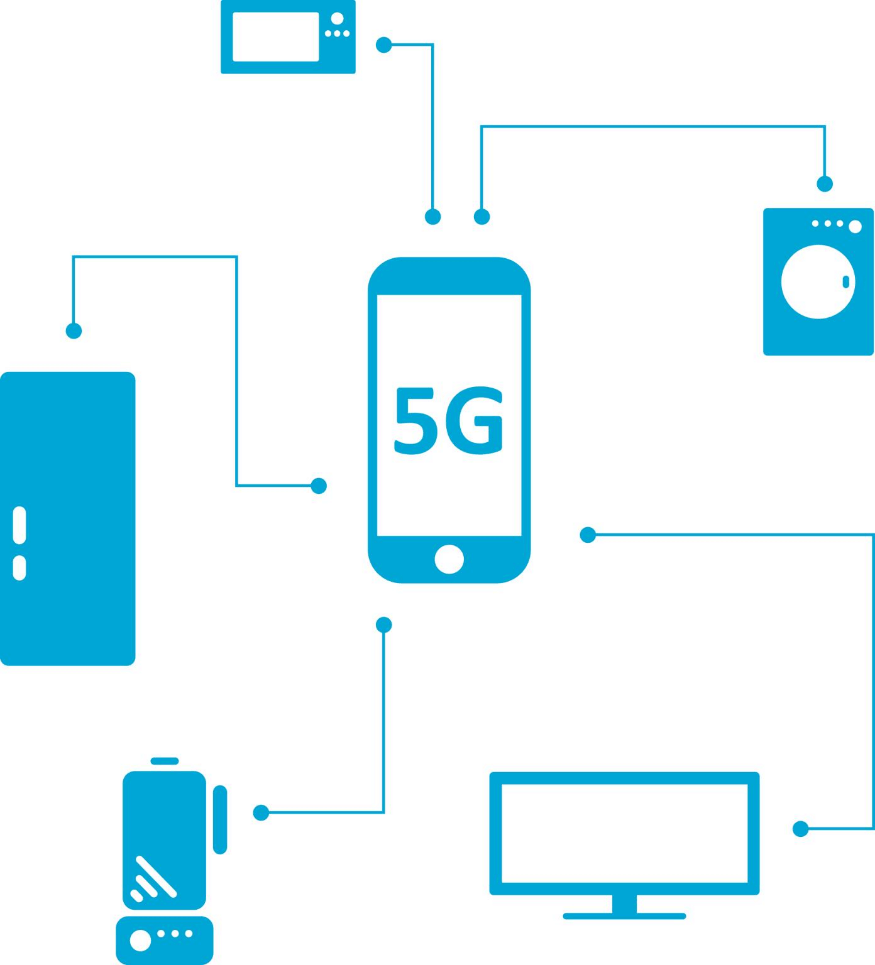
Is 5G dangerous? As this new technology becomes a larger part of our daily lives, questions about its safety are more pressing than ever. Concerns about radiation exposure and health risks are common, especially as more people use 5G-enabled devices.
The promise of faster internet and improved connectivity is exciting, but is it worth the potential health risks? Today, we’re taking a close look into the science behind these worries and separating fact from fiction to help you understand the true impact of 5G.
What is 5G and How Does It Work?
5G is the fifth generation of wireless technology, designed to offer faster internet speeds, lower latency, and greater connectivity compared to previous networks like 4G. There are three main components to 5G technology:
- Faster speeds and enhanced capabilities
- The use of higher frequencies
- A larger network of smaller antennas
Faster Speeds and Enhanced Capabilities
5G promises internet speeds up to 100 times faster than 4G. That means quicker downloads, smoother video streaming, and faster data transfers, making it ideal for applications like virtual reality and self-driving cars.
The Use of Higher Frequencies
Unlike previous networks, 5G uses higher-frequency bands, called millimeter waves. These waves allow more data to travel but require more infrastructure, such as additional antennas and transmitters placed closer to users.
A Larger Network of Smaller Antennas
To deliver 5G’s fast speeds, it uses many smaller antennas instead of the large cell towers seen with previous generations. The antennas are more densely packed, especially in urban areas, which raises concerns about prolonged exposure to electromagnetic fields.
Understanding Radiation
Radiation is a type of energy that moves through space. There are different types of radiation, some of which are harmful, while others are not.
There are three main points to keep in mind when considering 5G radiation:
- The difference between ionizing and non-ionizing radiation
- Why 5G uses non-ionizing radiation
- How 5G radiation interacts with the human body
The Difference Between Ionizing and Non-Ionizing Radiation
Ionizing radiation, such as X-rays or ultraviolet light, carries enough energy to remove electrons from atoms. This can lead to changes in the structure of cells, potentially causing damage and even cancer.
Non-ionizing radiation, which includes visible light and radio waves, doesn’t have enough energy to cause such harm. 5G uses non-ionizing radiation, making it less likely to cause cellular damage.
5G Health Impact: Why 5G Uses Non-Ionizing Radiation
5G operates at higher frequencies compared to previous generations like 4G. These higher frequencies, called millimeter waves, can carry more data but still fall under the non-ionizing category. They help provide faster speeds and lower latency but do not pose the same risks as ionizing radiation.
How 5G Radiation Interacts with the Human Body
5G radiation interacts with the body in similar ways to other types of radiofrequency (RF) radiation. It’s absorbed by the skin and does not penetrate deeply.
Most studies show that the levels of 5G radiation are well below what would be harmful to human health. Still, some people are concerned about long-term exposure, even at low levels.
Is 5G Dangerous? Examining the Evidence
The question of whether 5G is dangerous has sparked plenty of debate. With concerns about health effects ranging from cancer to neurological problems, many people are anxious about the potential risks of 5G radiation.
While some studies suggest there may be health risks, the scientific community largely agrees that 5G, when used within established safety limits, does not pose significant harm.
There are three main points to consider when examining 5G health concerns:
- The existing research on 5G and health risks
- The safety limits set by international health organizations
- The gap between scientific evidence and public perception
The Existing Research on 5G and Health Risks
Currently, the research on 5G’s health effects is still in the early stages. Some studies have found no significant risk, while others suggest possible connections to increased cancer rates or other health issues. However, many of these studies have been criticized for their methods or have not been conclusive enough to raise alarm.
The Safety Limits Set by International Health Organizations
International organizations like the World Health Organization (WHO) and the Federal Communications Commission (FCC) have set safety standards for radiation exposure. The guidelines are based on decades of research, and both 4G and 5G technologies fall within these limits. Experts argue that the radiation from 5G is not strong enough to cause harm, especially since it is non-ionizing radiation.
The Gap Between Scientific Evidence and Public Perception
Despite the scientific evidence supporting 5G’s safety, public concern remains high. Misinformation and fear of new technologies often lead to misunderstandings.
Some people are still wary of 5G, believing it could cause health issues like cancer or fertility problems. As research continues, it’s important to focus on reliable sources and expert opinions to make informed decisions about 5G.
What’s Next for 5G and Public Health?
While studies on the short-term effects of 5G have provided reassuring results, there is still limited research on the long-term impact. More research is needed to assess how years of exposure might affect human health, especially considering the rapid increase in the use of 5G devices. This will help ensure that the technology’s benefits are not overshadowed by hidden risks.
With public concern about 5G’s potential health risks, educating people on the facts is essential. Misinformation can fuel unnecessary fear, so it’s important to communicate the science behind 5G clearly. As more information becomes available, consumers should feel confident about using 5G technology based on facts, not fear.
5G Radiation Facts: Wireless Technology Risks
The question, “Is 5G dangerous?” remains a topic of ongoing research and debate. Current evidence suggests that 5G, when within safety limits, poses no significant health risks.
At Anti-Aging Northwest, we focus on providing the highest quality care in bioidentical hormone replacement therapy. Our goal is to empower people with the tools they need to thrive in all areas of their lives. Dr. Faler stays up to date with the latest research and attends quarterly symposiums to ensure the best possible care.
Get in touch today to find out how we can help with your extended health.