
Why Belly Fat Becomes So Stubborn After 40
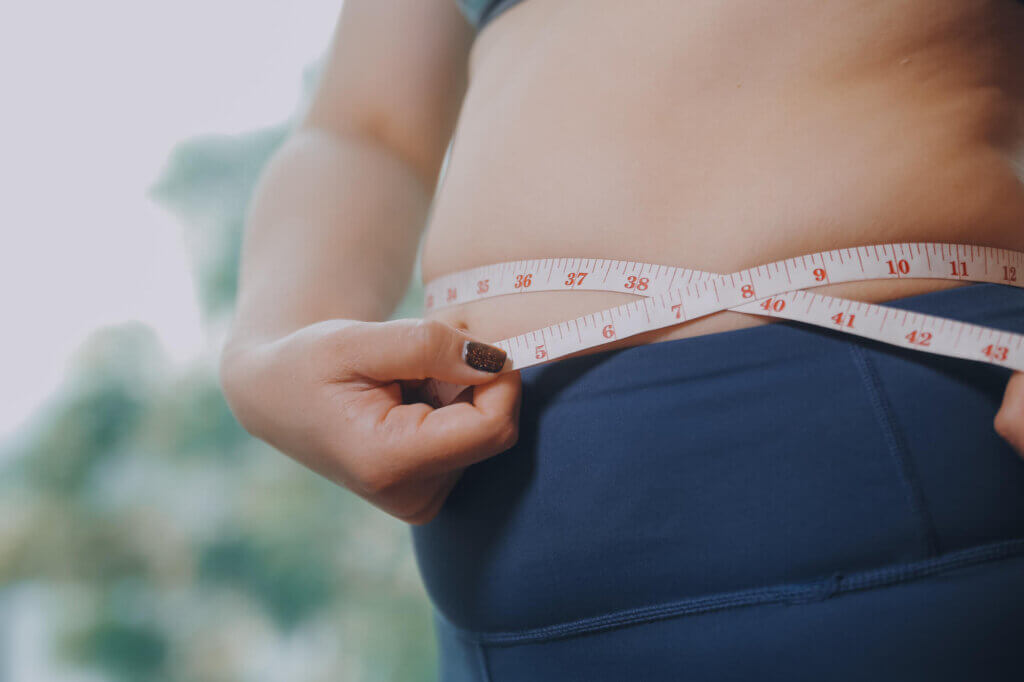
It’s Not Just Calories — Midlife Physiology Changes the Game
One of the most common frustrations I hear in clinic goes something like this: “I’m eating better than I used to… I’m trying harder… and somehow my waistline is still getting bigger.” For many people, especially after 40, belly fat seems to arrive almost out of nowhere. Clothes fit differently. Energy drops. Recovery slows down. And despite exercising more or trying the latest diet, progress becomes frustratingly slow.
Most people assume this is simply a lack of discipline or “just getting older.” In reality, the story is often much more complex — and much more psychological. The body changes significantly in midlife. Hormones shift. Sleep quality changes. Stress accumulates. Muscle mass declines.
Metabolism becomes less forgiving. Modern lifestyles push our nervous systems into a constant state of stimulation and recovery debt. The result? The body becomes far more likely to store fat around the abdomen — even in people who are trying hard to stay healthy.
The good news is this: stubborn belly fat is often a signal, not simply a personal failure. And when the underlying physiology is addressed, many people can dramatically improve not only their body composition, but also their energy, mood, motivation, and overall health.
Belly Fat After 40 Is Different
One important thing many people do not realize is that abdominal fat is not just “stored calories.” Especially after 40, belly fat often becomes hormonally and metabolically active tissue. In other words, it does more than sit there — it actively participates in inflammation, insulin resistance, hormone disruption, and metabolic dysfunction.
Excess visceral fat has been associated with increased cardiovascular risk, insulin resistance, higher inflammation levels, fatigue, poorer hormone balance, and increased risk of metabolic disease. This is one reason why losing weight in midlife often feels very different than it did in your 20s.
Hormonal Changes Play a Bigger Role Than Most People Realize
Hormones are not the entire story — but they are often a major part of it. Many men begin experiencing gradual testosterone decline beginning in their 30s and 40s. Testosterone influences muscle mass, metabolism, energy, motivation, insulin sensitivity, recovery, and fat distribution.
Women often experience dramatic hormonal shifts during perimenopause and menopause. These changes can influence insulin sensitivity, sleep quality, appetite, cortisol patterns, and fat distribution. Many women who never struggled with weight in their younger years suddenly notice fat accumulating around the midsection despite maintaining similar habits.
Chronic Stress and Cortisol: The Hidden Driver
One of the biggest contributors I see clinically is chronic stress physiology. Modern humans are often under constant low-grade stress from work pressure, financial concerns, relationship stress, poor sleep, constant phone notifications, doom scrolling, and overstimulation. Chronically elevated cortisol can contribute to increased abdominal fat storage, muscle breakdown, sugar cravings, poor sleep, blood sugar instability, and burnout. The body under chronic stress becomes more interested in survival than optimization.
Insulin Resistance: The Metabolic Traffic Jam
Insulin resistance is another major factor in stubborn belly fat. Over time, due to poor sleep, processed foods, chronic stress, inactivity, and excess visceral fat, the body may gradually become less responsive to insulin.
Higher insulin levels strongly encourage fat storage — particularly around the abdomen. Many people with insulin resistance experience stubborn belly fat, fatigue after meals, sugar cravings,
brain fog, and difficulty losing weight despite effort.
Loss of Muscle Mass Changes Everything
After about age 30, adults gradually begin losing muscle mass unless they actively work to preserve it. Muscle is incredibly metabolically protective. It helps regulate blood sugar, improve insulin sensitivity, support metabolism, and improve longevity.
As muscle mass decreases, metabolism often slows and fat accumulation becomes easier. This is why resistance training becomes increasingly important with age — not simply for appearance,
but for long-term metabolic health.
Poor Sleep May Be One of the Biggest Culprits
Poor sleep dramatically affects metabolism and body composition. Sleep quality often worsens in midlife due to stress, hormonal changes, sleep apnea, alcohol, inconsistent sleep schedules, and late-night screen exposure. Poor sleep affects hormones involved in hunger, cravings, insulin sensitivity, testosterone production, and cortisol regulation. Poor sleep ages people faster than almost anything else I see clinically.
Why “Eat Less and Exercise More” Often Stops Working
Midlife physiology is different. Extreme calorie restriction and excessive cardio sometimes backfire by increasing stress hormones, worsening muscle loss, slowing metabolism, and increasing fatigue. In many cases, the body does not need harsher punishment. It needs better support.
What Actually Helps
The encouraging news is that many people improve dramatically once the underlying physiology is addressed.
Helpful foundational strategies often include:
- prioritizing protein intake
- resistance training
- improving sleep quality
- reducing ultra-processed foods
- walking regularly
- evaluating hormones and metabolic health
For some individuals, more advanced support strategies may also be appropriate, including hormone optimization, medical weight loss approaches, peptide therapies, or targeted nutritional support. The key is personalization — not one-size-fits-all solutions.
Final Thoughts
If you’ve been struggling with stubborn belly fat despite trying hard, you are not alone. Midlife physiology changes. Hormones shift. Stress accumulates. Sleep suffers. Muscle declines. Metabolism adapts. But the body is also remarkably adaptable when given the right support. The goal should not simply be getting thinner. The goal should be becoming healthier, stronger, more energetic, and more resilient for the decades ahead.
At Antiaging Northwest, we help patients look deeper at the metabolic and hormonal factors that may contribute to fatigue, weight gain, poor recovery, and changes in body composition — and create personalized strategies designed to support long-term health and performance