
Preserving Testicular Function While on Testosterone Replacement Therapy
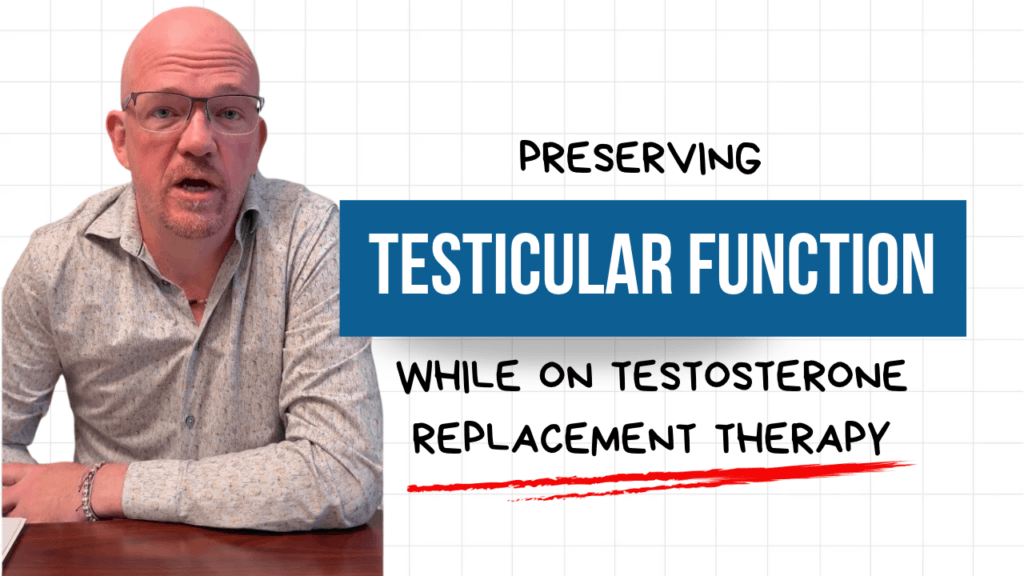
Video Transcription Dr. Phillip Faler: Good morning, everyone. I’m Dr. Phillip Faler with Anti-Aging Northwest. Wanted to take a minute this morning to discuss the preservation of testicular function in testosterone replacement therapy. So with the global decline in testosterone, I’m getting younger and younger men who have testosterone in the 2 and 300s. And…
Read MoreHormone Optimization Works Better When Nutrition Works With It

Hormone replacement therapy can be an important tool for improving symptoms associated with hormone deficiency or imbalance. But hormones do not operate in isolation. Sleep, exercise, body composition, stress, alcohol intake, metabolic health, and especially nutrition all influence how a person feels and functions. In my clinical experience, this is particularly noticeable in men receiving…
Read MorePeptide Therapy and the FDA: What Patients Need to Know in 2026

If you have been hearing more about peptide therapy lately, there is a good reason. Peptides have become an increasingly common topic in conversations about wellness, practive aging, metabolic health, recovery, and personalized medicine. At the same time, the regulatory landscape surrounding compounded peptides has been changing, leaving many patients wondering what is actually happening…
Read MoreLow Testosterone in Men: When “Getting Older” Isn’t the Whole Story

Most men expect to slow down eventually. You might notice it first in the gym, where workouts that used to leave you energized now leave you exhausted. Maybe you’re sleeping through the night but still waking up tired. Your motivation isn’t what it used to be. You’re gaining weight around your midsection despite eating the…
Read MoreSigns of Low Testosterone

Video Transcription Dr. Philip Faler: Hi everyone. I’m Dr. Philip Faler with Anti-Aging Northwest. I thought we’d touch base today and discuss the global decline in testosterone and how to know if your testosterone is dropping, what are the signs and symptoms? Why Testosterone Levels Are Declining So first off, we have on average lower…
Read MoreWhy Belly Fat Becomes So Stubborn After 40

It’s Not Just Calories — Midlife Physiology Changes the Game One of the most common frustrations I hear in clinic goes something like this: “I’m eating better than I used to… I’m trying harder… and somehow my waistline is still getting bigger.” For many people, especially after 40, belly fat seems to arrive almost out…
Read MoreTesticular Shrinkage with Dr. Phillip W. Faler, ND

Video Transcription Dr. Phillip W. Faler, ND: Good morning everyone. I’m Dr. Philip Faler with Anti-Aging Northwest. I thought we’d take a minute this morning to talk about something I’m seeing more and more often in clinic, which is younger and younger men with low testosterone, which brings testicular shrinkage forward as a much larger concern.…
Read MoreWhy Testosterone is Dropping in Men

Video Transcription Dr. Philip W. Faler: Hi everyone. I’m Dr. Philip Faler with the Anti-Aging Northwest. I’m here in my home office today in Spokane, Washington. Wanted to reach out today to talk about why testosterone is dropping in men. Testosterone Decline: A “Stack” of Contributing Factors, Not Just Age-Related We know age-related hormone decline…
Read MoreMetformin vs. Ozempic for Anti-Aging: A Comprehensive Comparison

Metformin is currently the preferred first option when it comes to type-2 diabetes treatment, but many informed patients are sourcing it for other uses, including in their an anti-aging arsenal. Simultaneously, Ozempic has had success as a diabetes management tool, but is coming up in conversations about its antiaging properties and weight control powers as well. Both…
Read MorePSA, Testosterone, and Prostate Health: What Every Man Should Know

One of the most common questions I hear from men in my clinic goes something like this: “Doc, my PSA went up… should I be worried about prostate cancer?” The short answer is: not necessarily. PSA can rise for many reasons, and most of them have nothing to do with cancer. PSA is simply a…
Read More